Now planning journeys for winter 2026–27पधारो म्हारे देसPadharo mhare des. Come, be welcome in our land
Your Rajasthan, opened by those who call it home
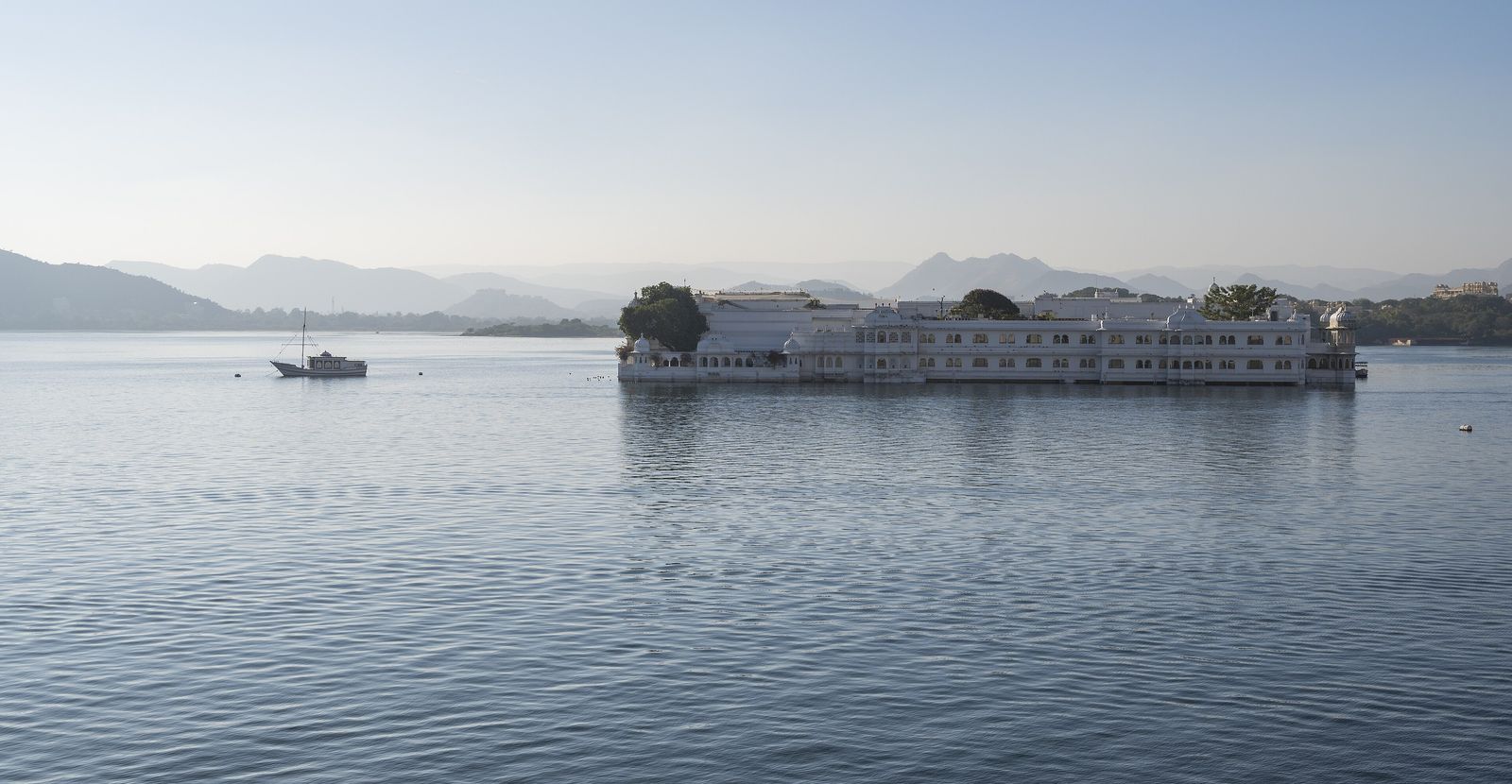
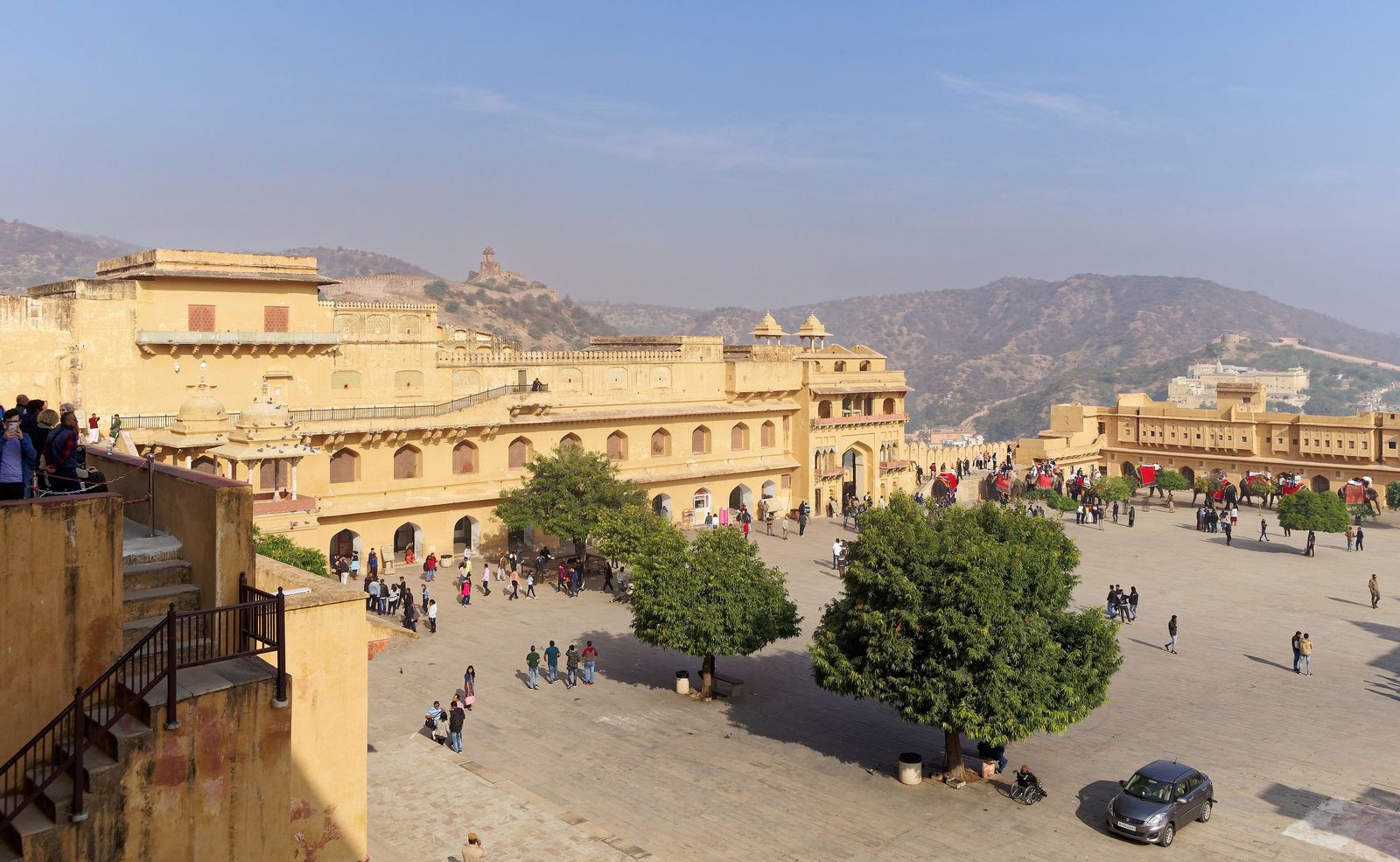
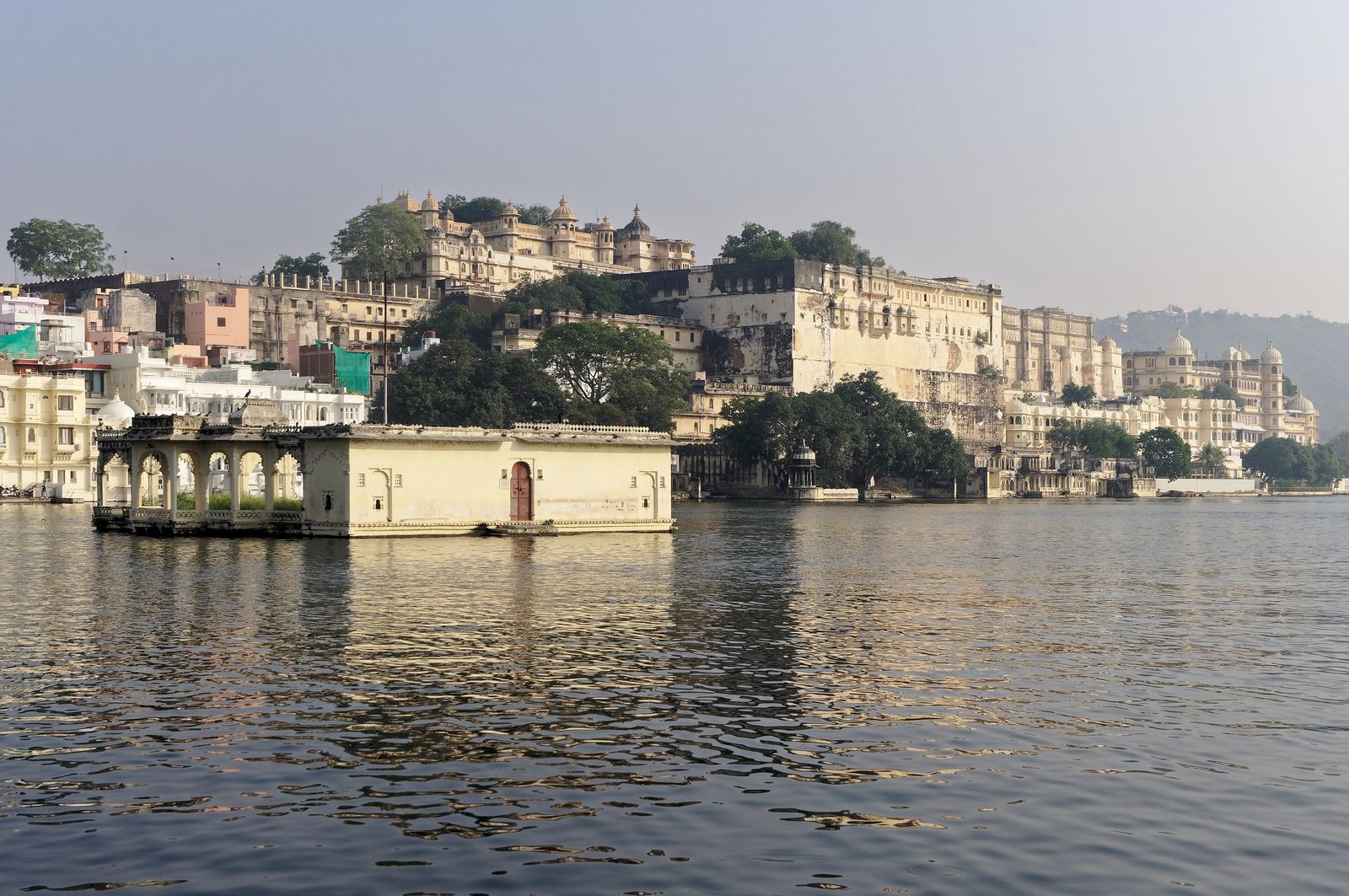
From the moment you land, you travel as our guest. A private car and driver, a palace room above the lake, a dune to yourselves at sunset and a tiger at first light, with one of our family on WhatsApp the whole way.
Luxury in Rajasthan was never about gold taps. It is time, attention and the feeling of being expected.
Padharo, and welcome. Every journey we plan begins the same way: with a conversation about how you like to travel, never with a package.
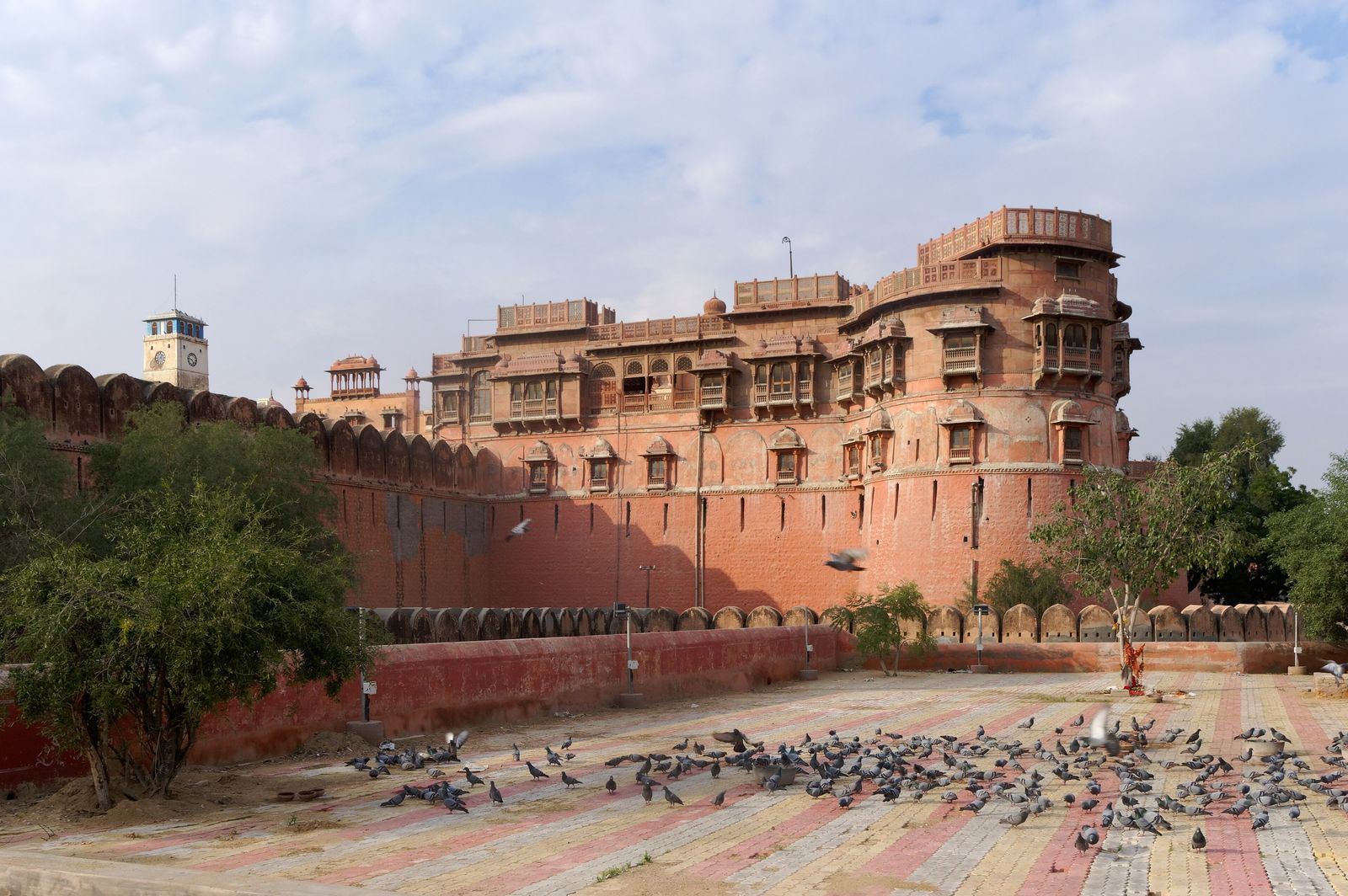
Rajasthan rewards people who slow down. That means the fort at opening time, the bazaar before the shutters lift, and the dune that's empty at sunset because nobody told the buses about it. We draw each route by hand, choose the room that faces the right way, and stay with you on WhatsApp from your first question to your last airport drop.
Karan JaswalFounder, Rajasthan Luxury Tour
Also behind The Grand Indian Route
Every route drawn by hand
In short
Rajasthan Luxury Tour designs private, chauffeur-driven journeys through Rajasthan and its neighbours: Agra, Delhi, Kutch and Madhya Pradesh. You stay in palace hotels, heritage havelis and luxury desert camps, with a local guide in each city. Most guests travel for 8 to 16 nights between October and March.
Rajasthan is not one place, it is six old kingdoms
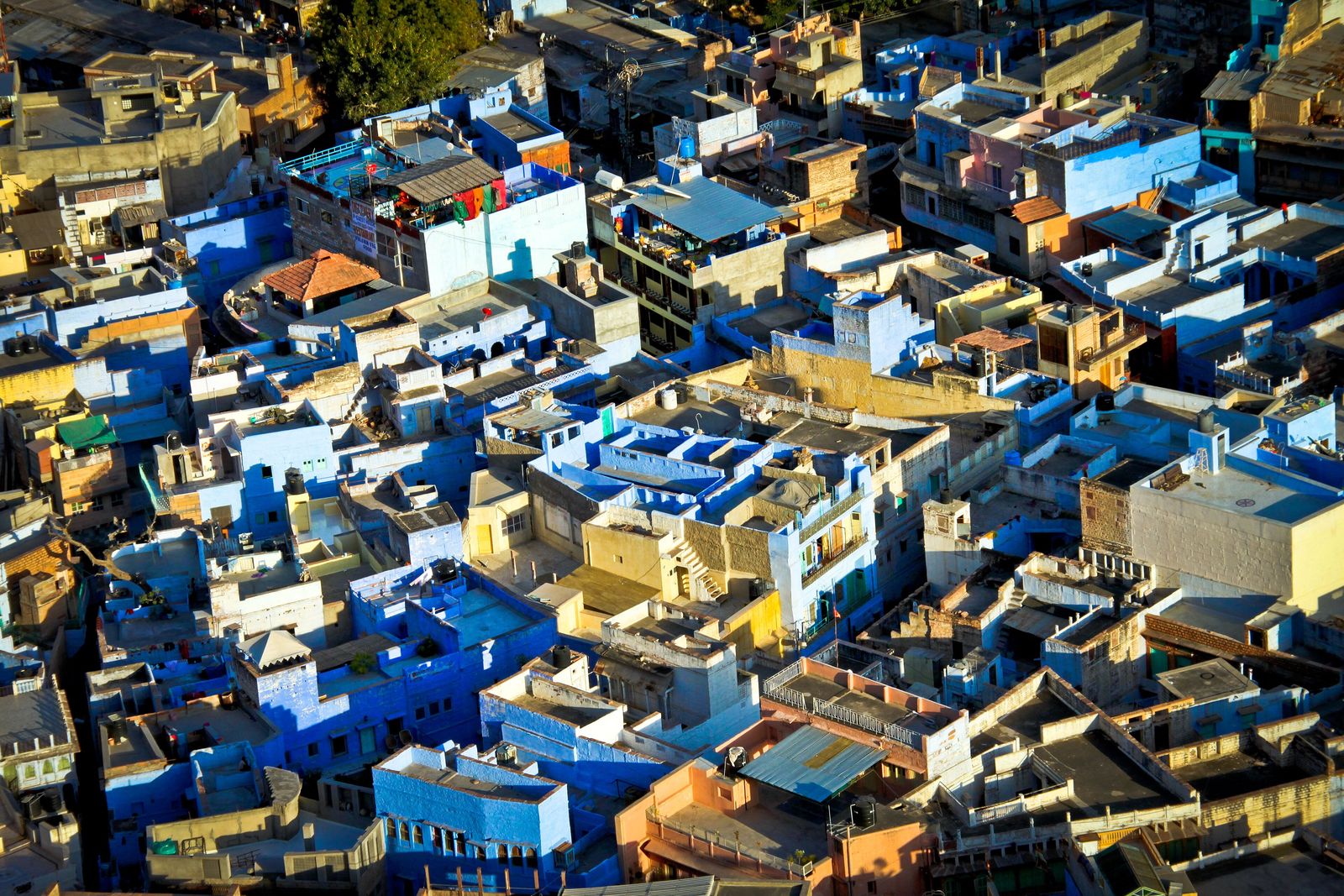
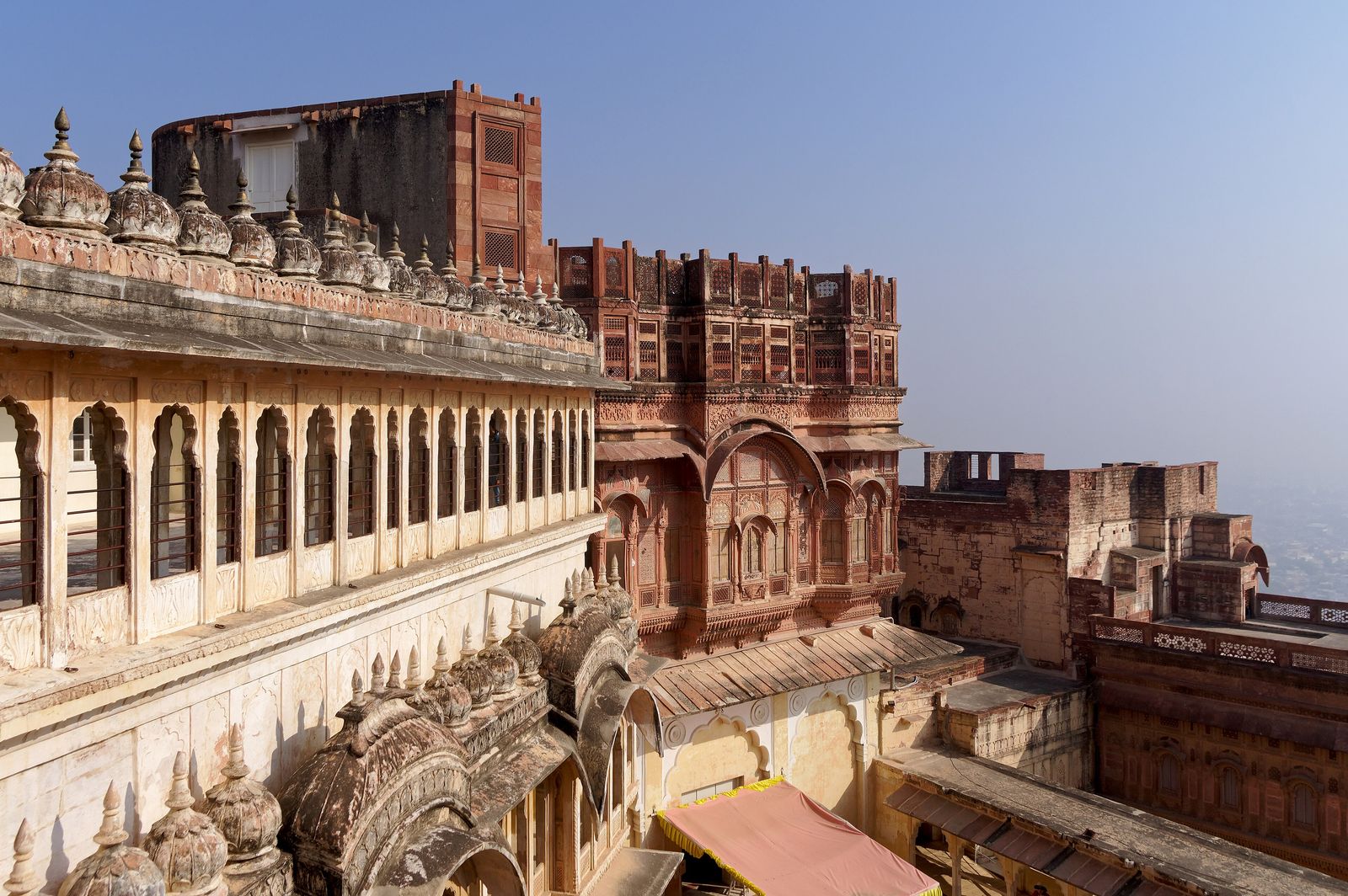
Ask someone from Jodhpur where they're from and they'll say Marwar before Rajasthan. The princely states were stitched into one Rajasthan between 1948 and 1956, but the old kingdoms still shape everything: the dialect, the turban, the dinner table. This is how we read the map.
These are starting points, not packages. Each is drawn again around your dates, your pace and how much you like to be on the road. Change anything. Most guests do.
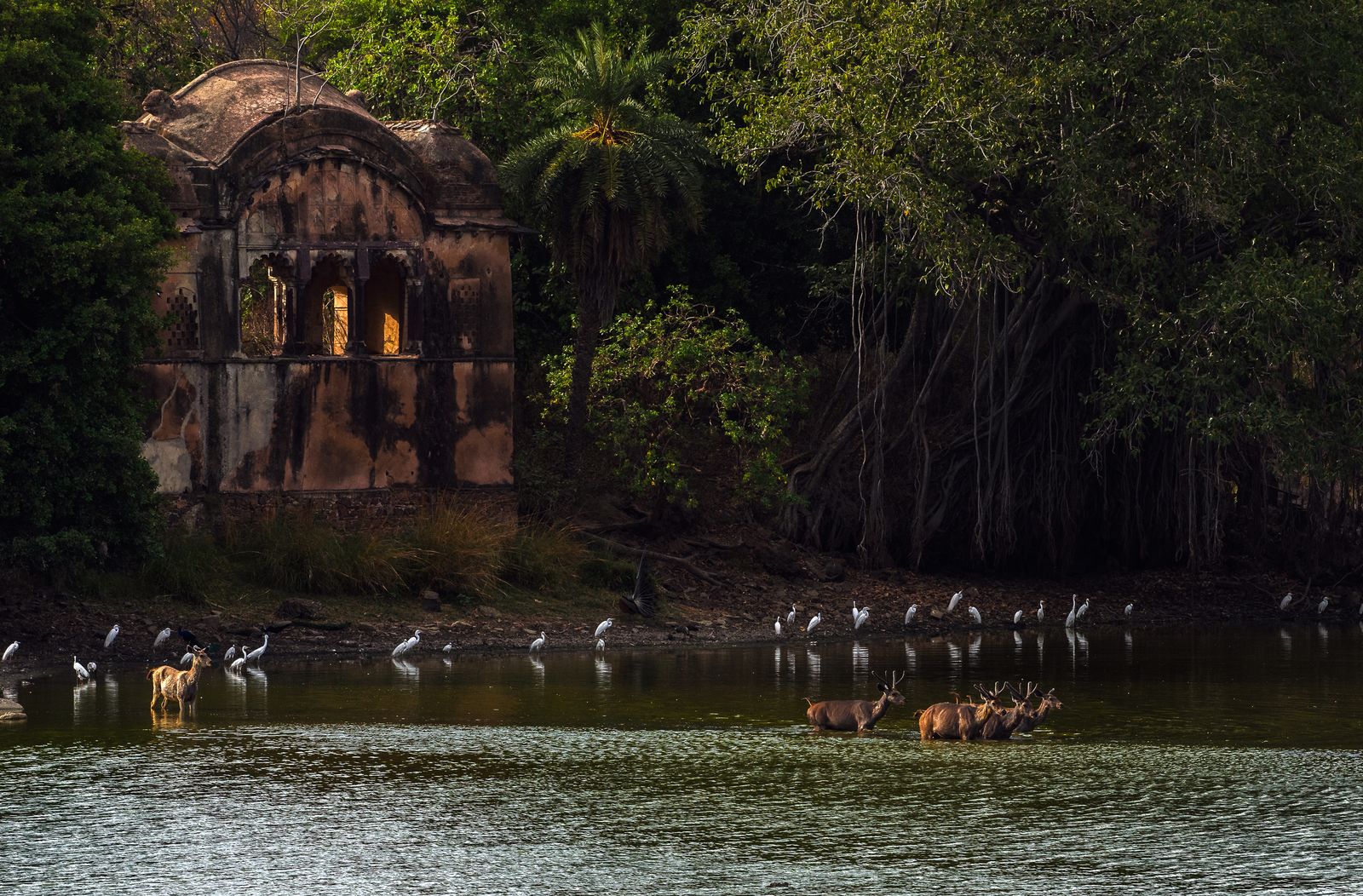
Tigers in the ruins of Ranthambore, then leopards among Jawai's granite hills, where they live alongside Rabari herders and their temples. Each stretch of …
Best for wildlife lovers and families with older children
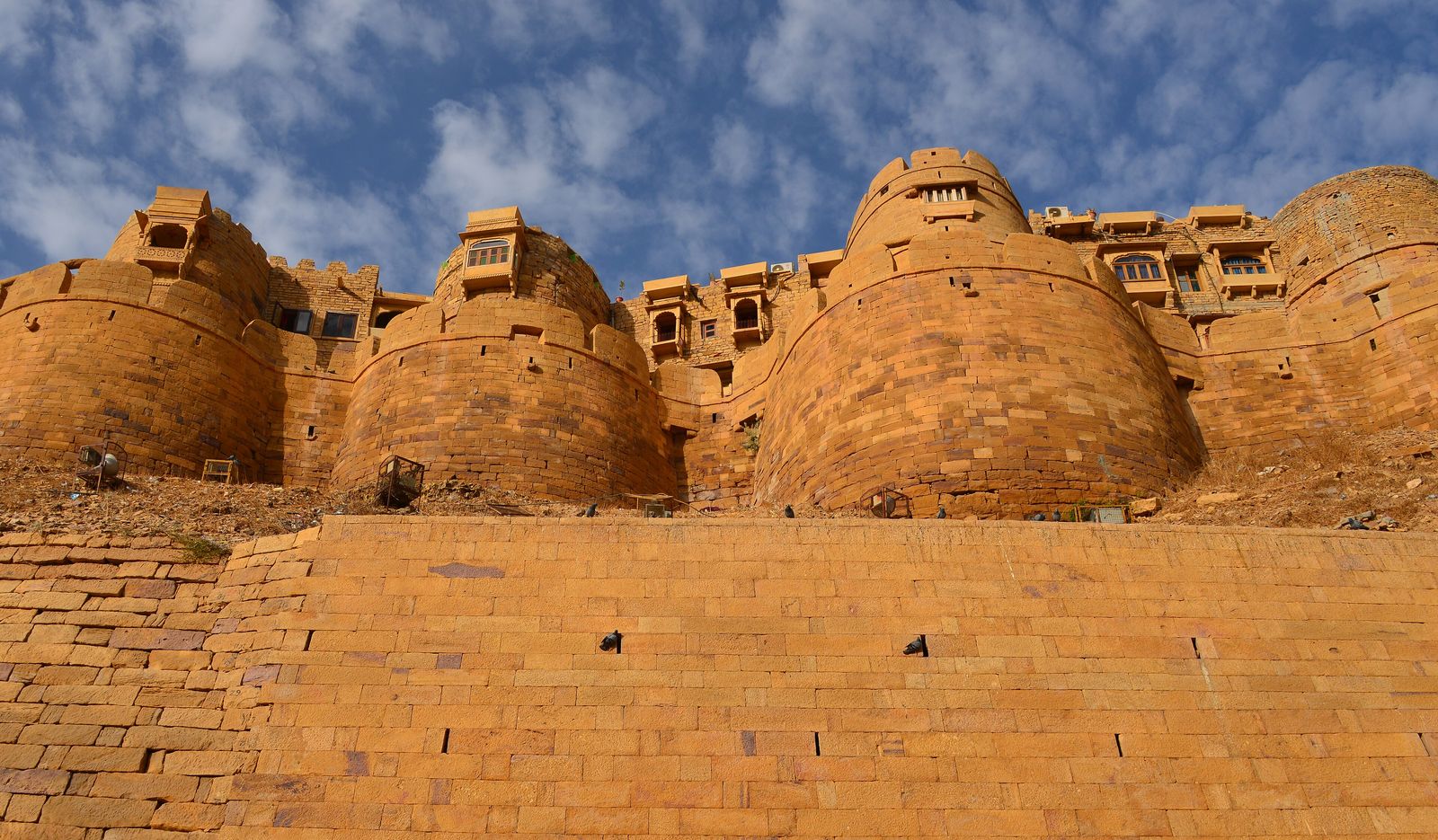
Southern Rajasthan's marble and memory. Ranakpur has 1,444 carved pillars, no two alike. Kumbhalgarh's wall is the second longest in the world, and Chittorgarh …
Best for second-time visitors and lovers of architecture
Guidebooks say October to March. They're right about the weather and wrong about everything else. Every month here has its festival, its sweet and its reason. Choose a month to see what it brings.
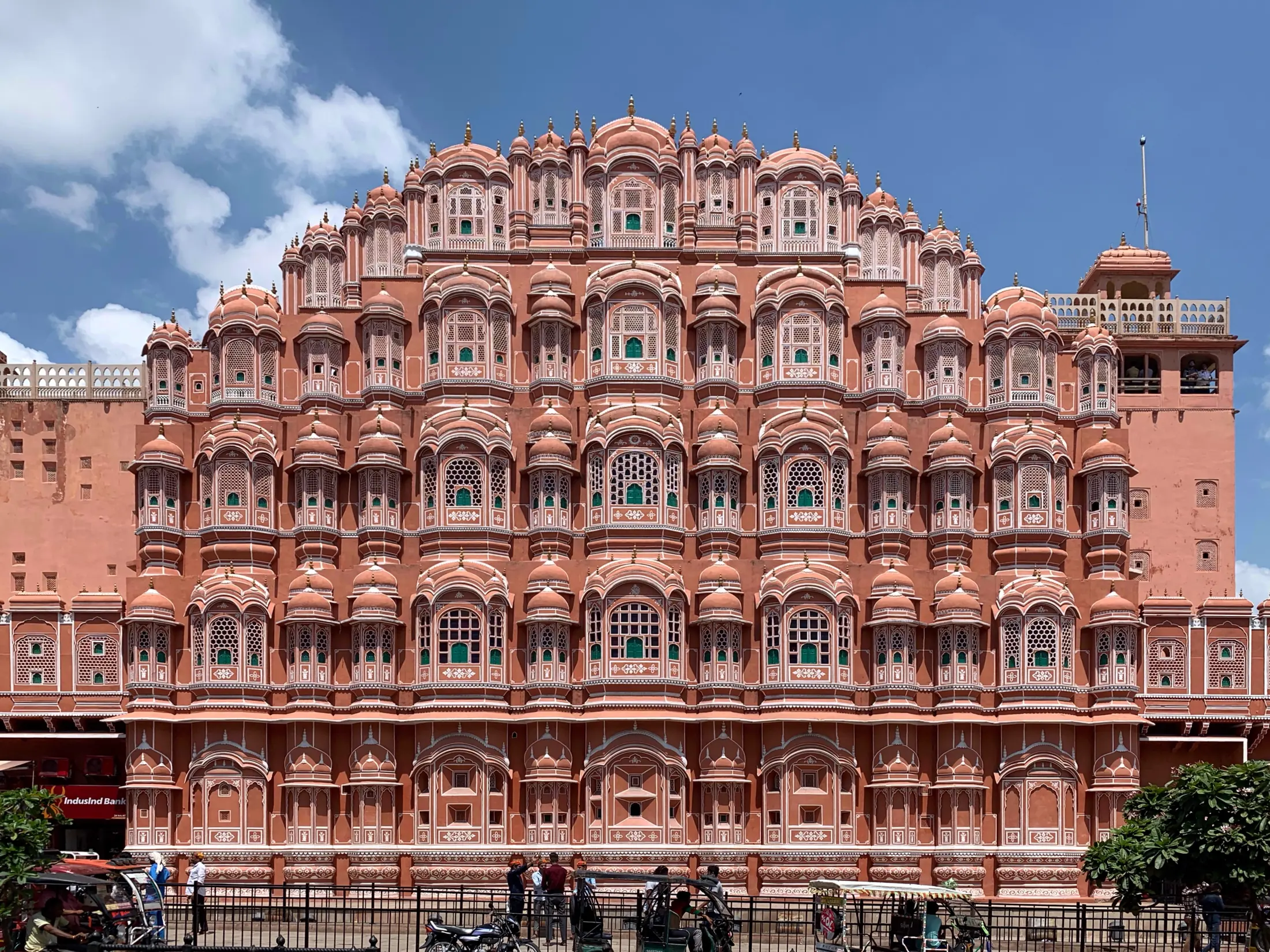
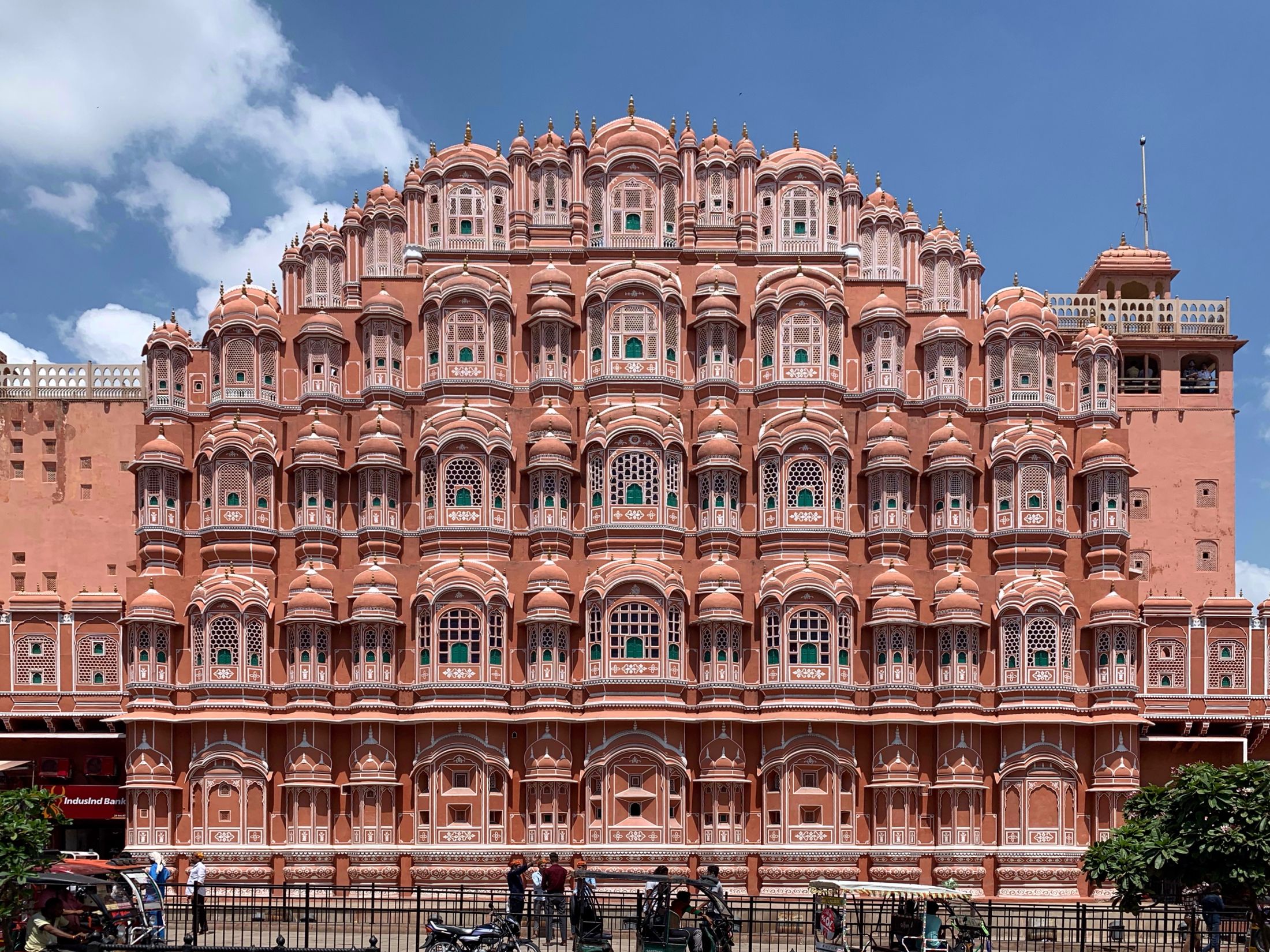
Mornings in Jaipur start near 8°C, so bring a shawl for Amer at sunrise. On 14 January, Makar Sankranti, the whole walled city climbs onto its roofs to fly kites, and the sky over Hawa Mahal fills with paper. Bikaner holds its camel festival and the Jaipur Literature Festival fills the city.
Peak season
February
Our favourite month
Warm days and cool nights. The Jaisalmer Desert Festival falls on the full moon of Magh, and the mustard fields of Shekhawati turn the painted towns yellow. It's the best light of the year for photographs and still comfortable for long drives.
Peak season
March
Holi and the first warmth
Holi comes with the spring full moon. In Udaipur the royal family lights the Holika fire in the City Palace courtyard, and Jaipur throws colour from every lane. Days reach the low 30s. Gangaur begins the morning after Holi and runs for eighteen days.
Hot season
April
Gangaur and the shrinking waterholes
Gangaur ends with Jaipur's procession from the Zenani Deorhi of the City Palace, women in their finest leheriya walking behind the goddess. Heat builds towards 38°C, but this is when Ranthambore's tigers come to the last waterholes and sightings are at their best.
Hot season
May
Hot, quiet and full of tigers
The Thar touches 45°C and the cities slow to a siesta rhythm. We plan early safaris, afternoons in palace pools and evenings on rooftops. Palace hotels offer their best rates of the year, and Mount Abu, Rajasthan's only hill station, stays green and mild.
Hot season
June
Before the rain
The hottest, stillest month. Ranthambore's core zones close at the end of June for the monsoon. We rarely suggest a first visit now. Seasoned travellers, though, love the empty forts and the smell of the first rain on dry earth, which we call mitti ki khushboo.
Monsoon
July
The monsoon arrives
Udaipur's lakes fill and the Aravallis turn green almost overnight. Women swing from neem trees for Hariyali Teej, and sweet shops make ghevar, a honeycomb of fried batter soaked in syrup that we only eat in this season. It's quiet, lush and very romantic.
Monsoon
August
Teej processions and green hills
Jaipur's Teej procession carries the goddess out of Tripolia Gate in a palanquin, with camels and brass bands. Showers come in afternoon bursts, and the Monsoon Palace above Udaipur sits in cloud. This is a fine month for Bundi and Mewar, when the stepwells hold water again.
Monsoon
September
The land at its greenest
The rains taper off and leave the countryside greener than visitors ever imagine Rajasthan can be. It's humid in the first half and pleasant by the end. Expect gentle rates and empty palaces. It's a good month for crafts, food and long lunches in havelis.
Peak season
October
The season opens
Ranthambore reopens on 1 October. Jodhpur hosts the Rajasthan International Folk Festival at Mehrangarh around the Sharad Purnima full moon, and Kota's Dussehra fair burns effigies taller than houses. Days settle around 33°C and the light turns golden.
Peak season
November
Diwali lamps and the camel fair
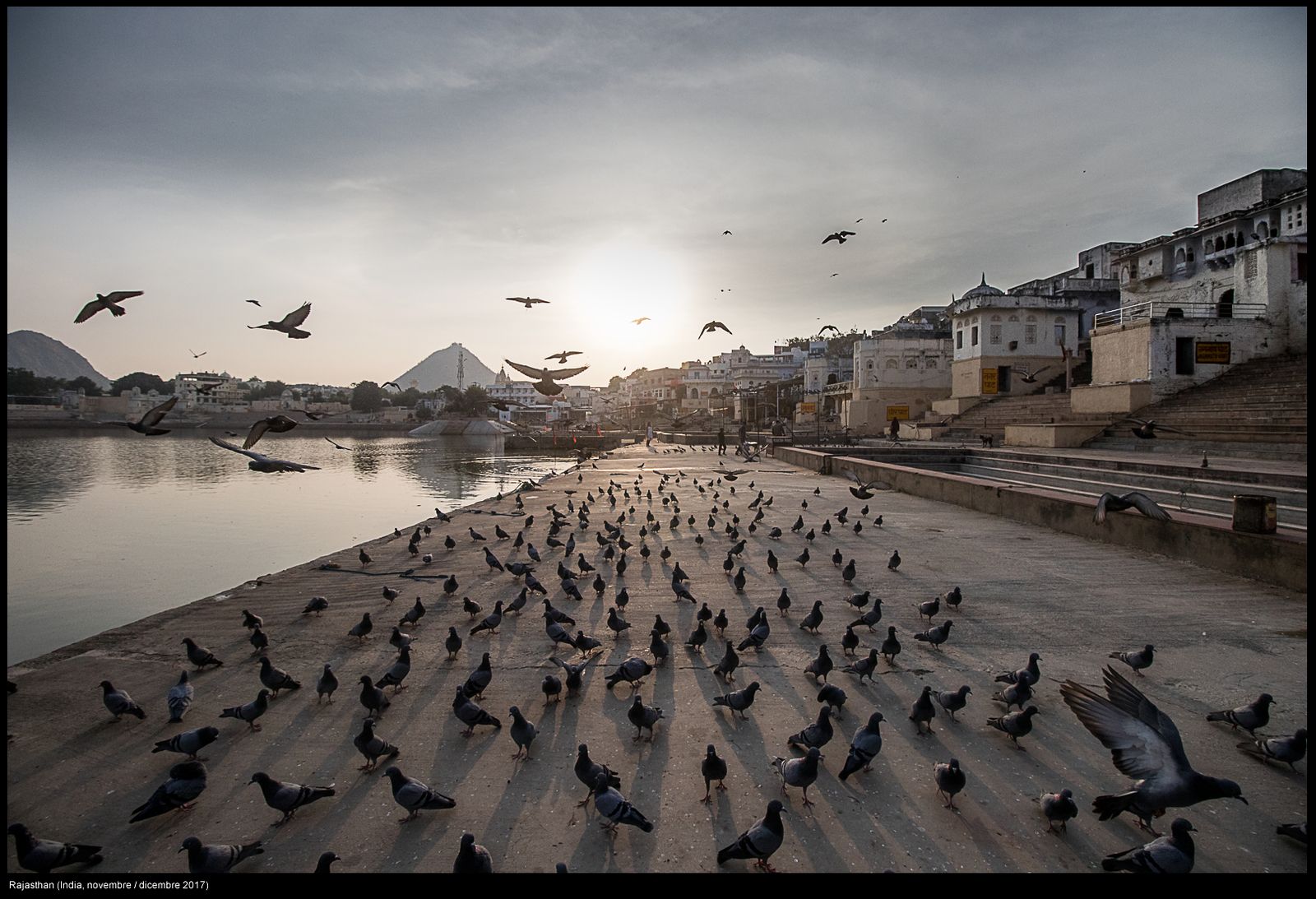
Diwali lights Jaipur's bazaars end to end, and Johari Bazaar glows like a jewellery box. Around the Kartik full moon, tens of thousands of camels and herders gather at Pushkar. The weather is perfect, so book palaces months ahead.
Peak season
December
Peak season, polo and fireside dinners
Clear skies, cool nights and the Jaipur polo season under way at the Rambagh grounds. Christmas and New Year in a palace are magical, but the best suites go nine to twelve months ahead. Morning fog sometimes slows the road between Delhi and Agra.
Peak season Hot season Monsoon
लोग
The people you'll meet
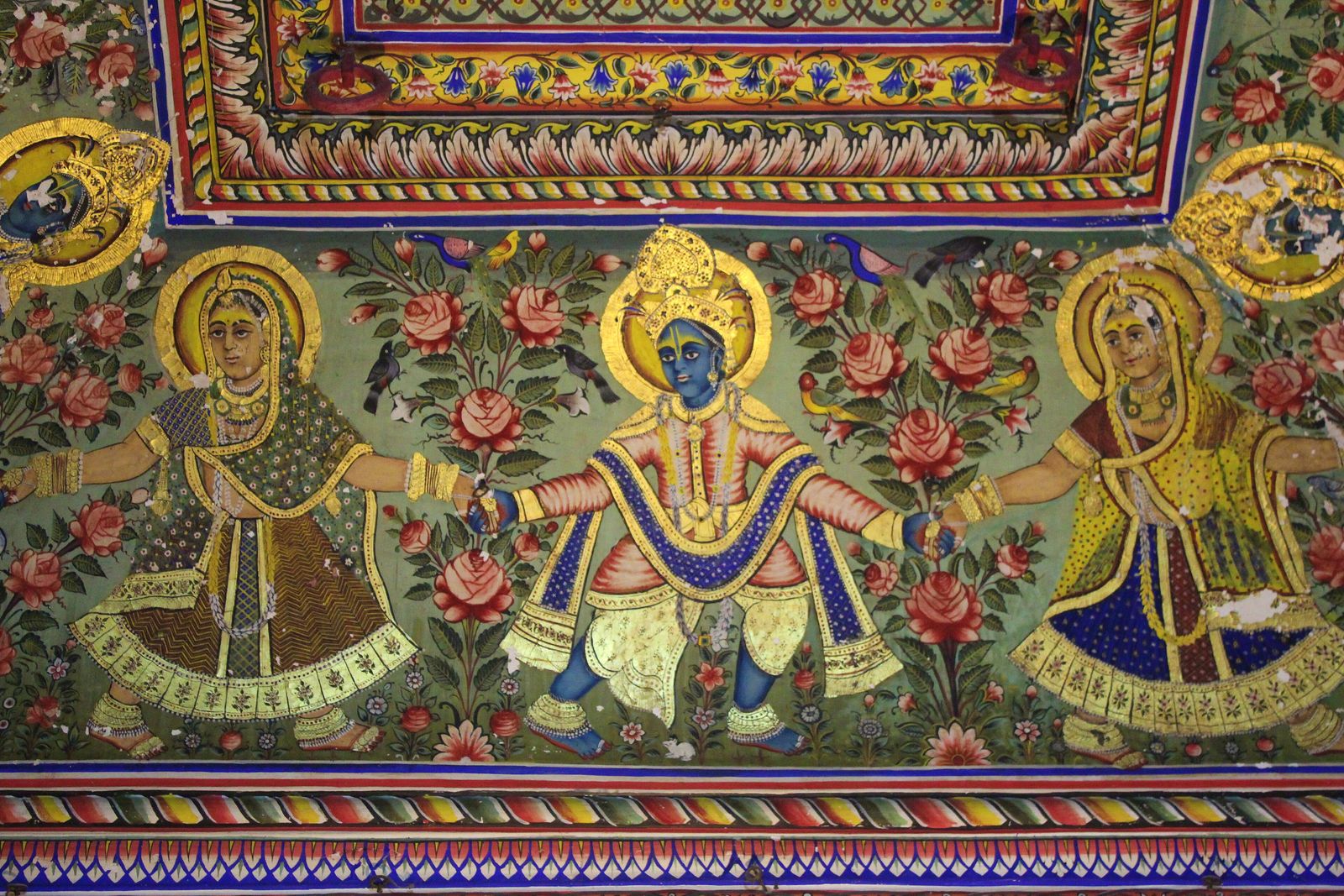
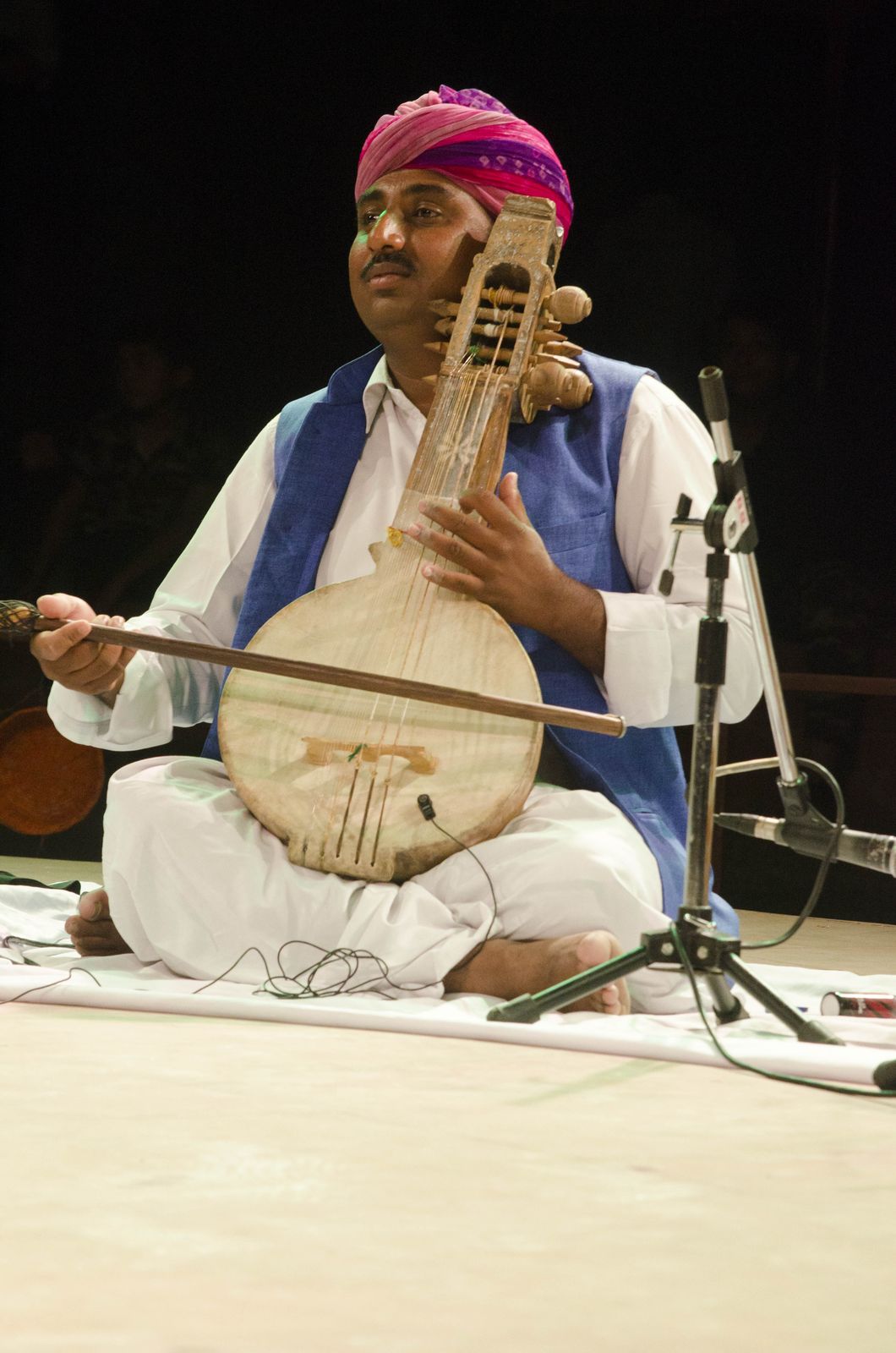
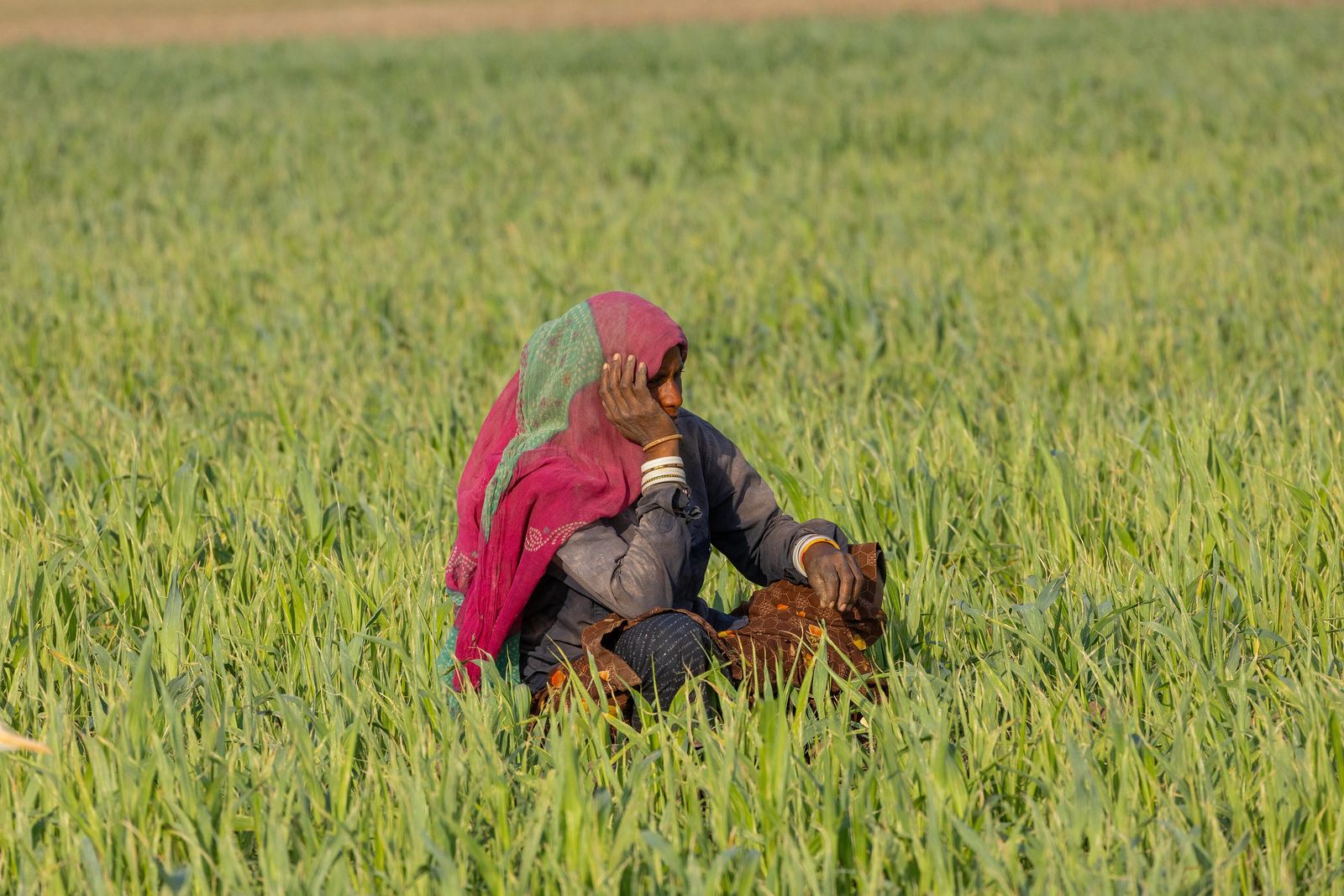
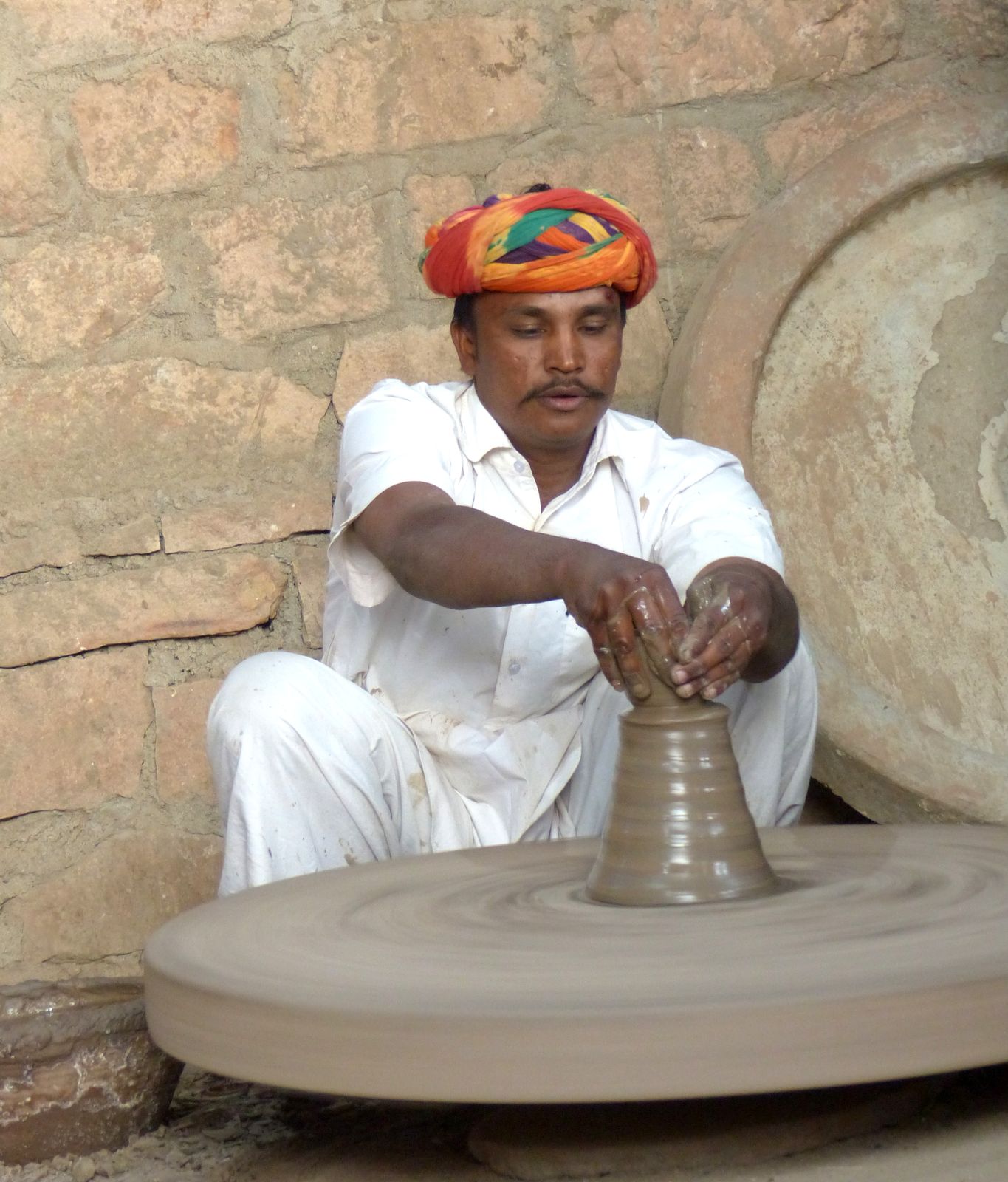
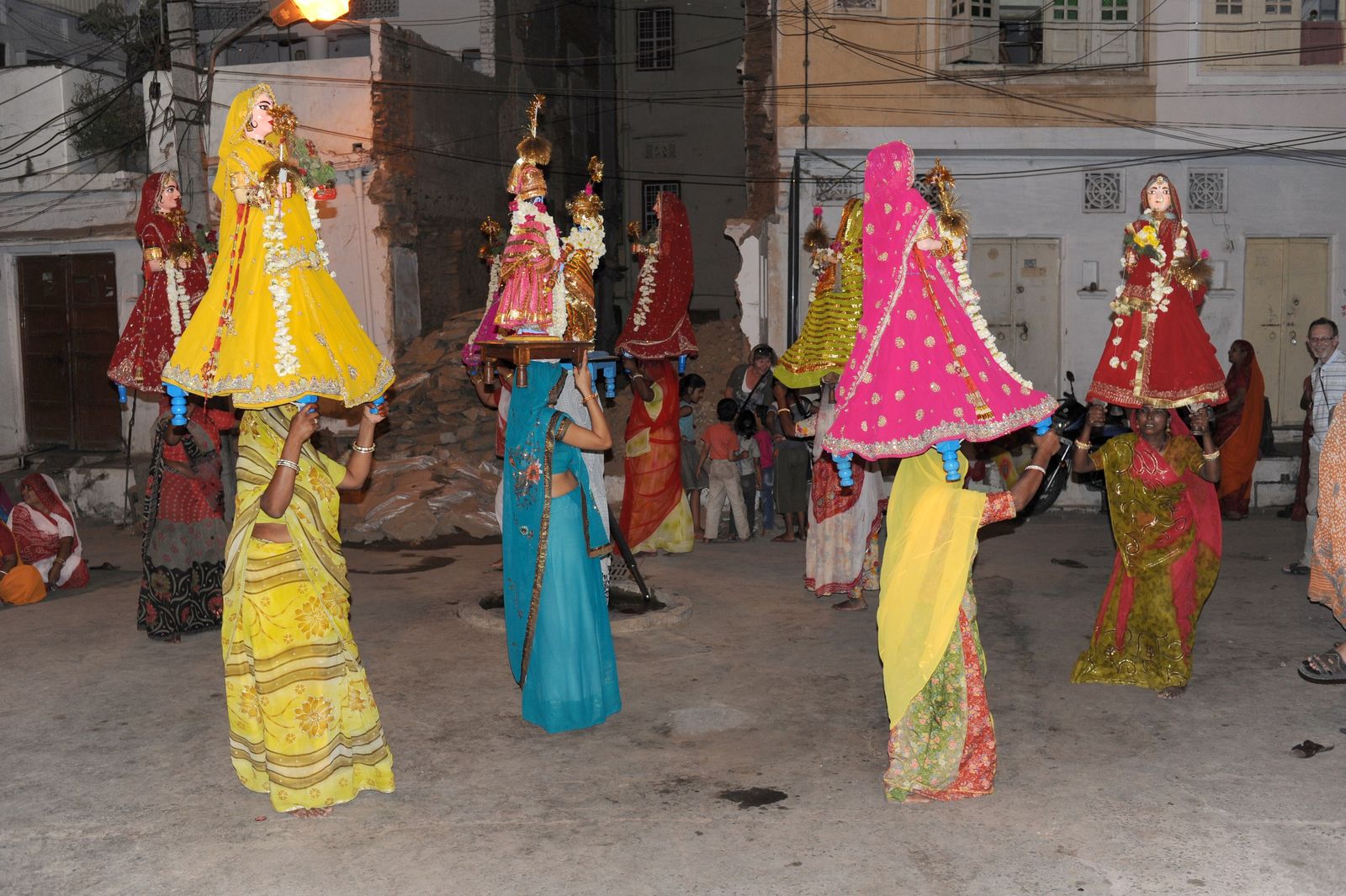
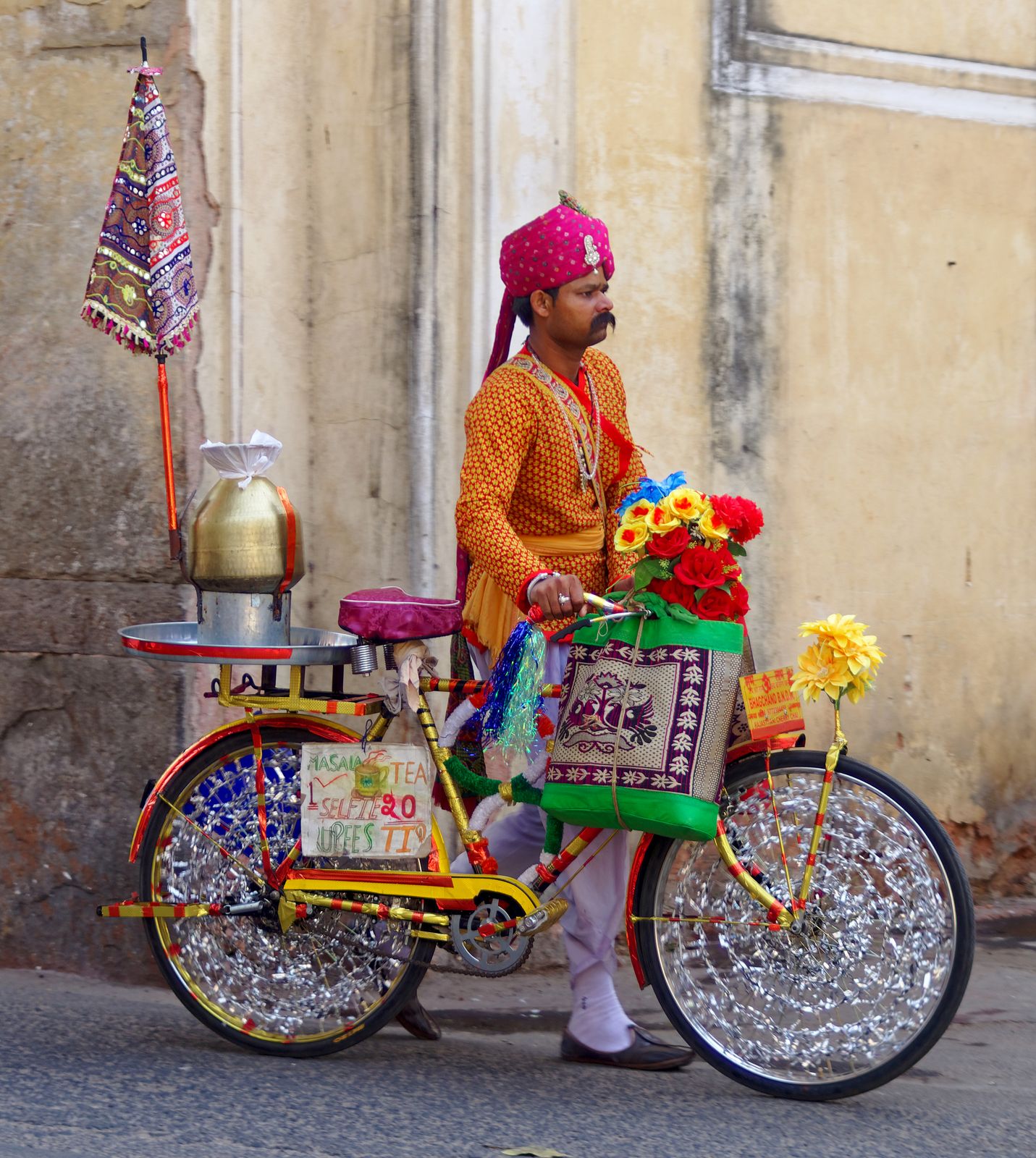
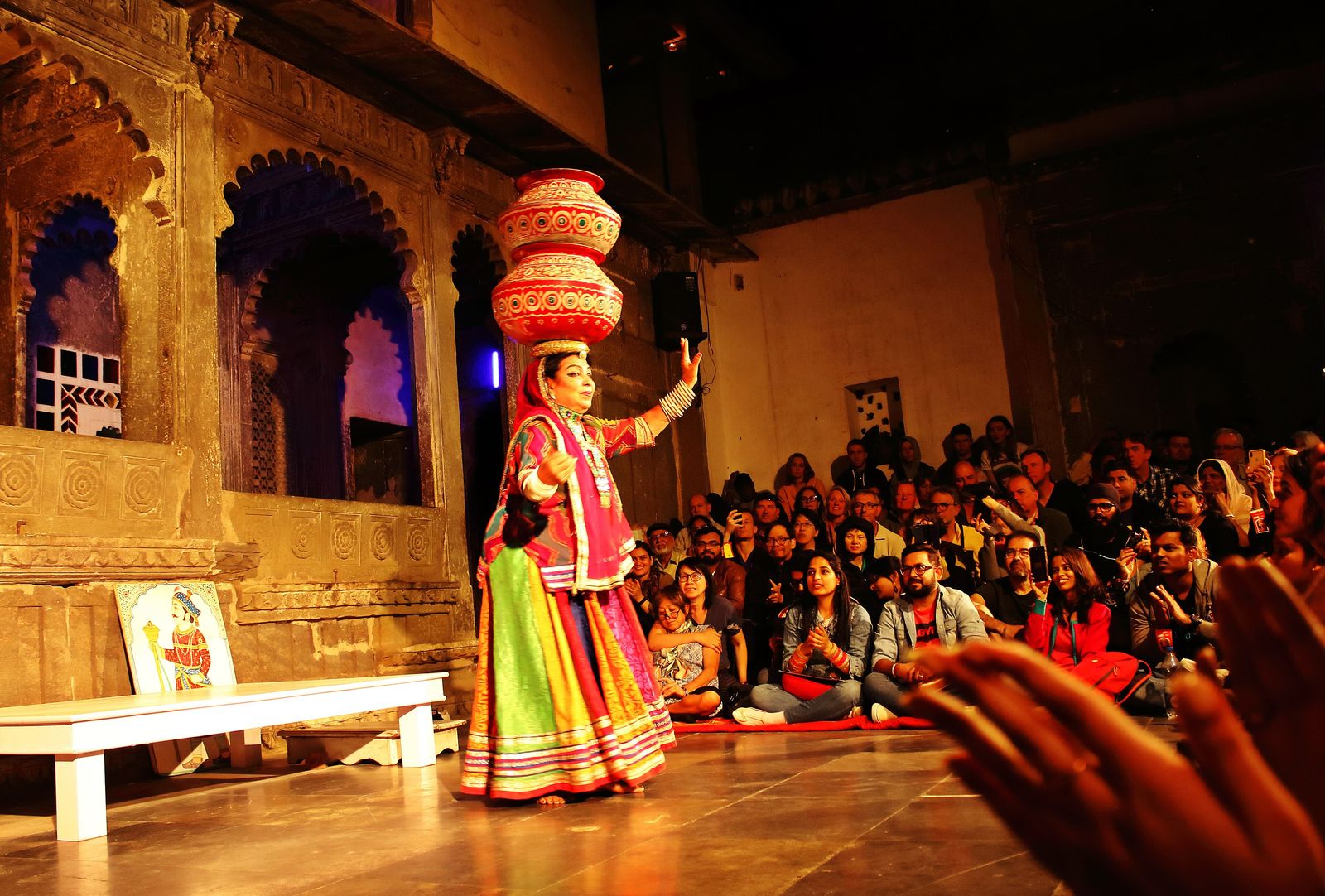
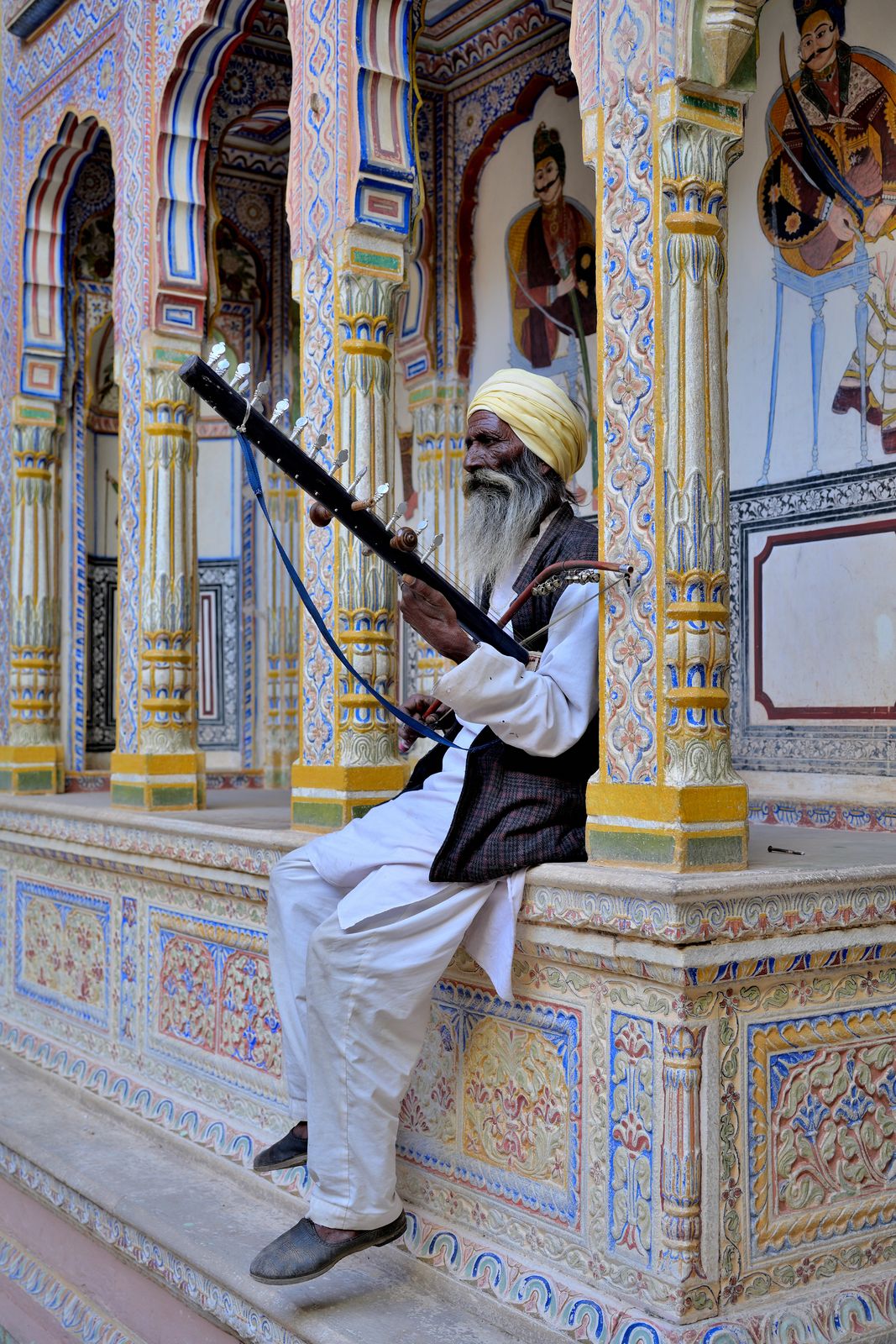
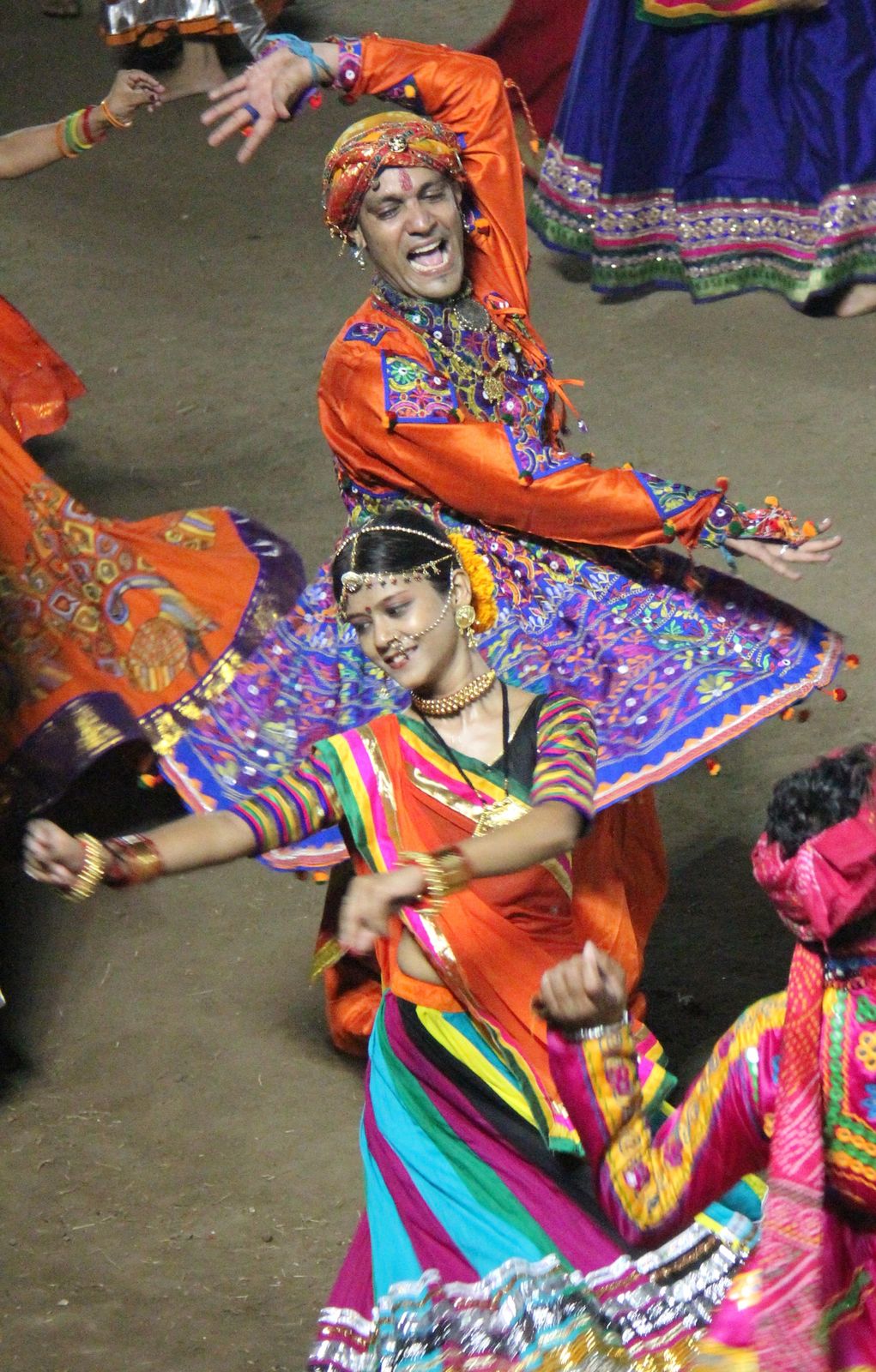
Rajasthan is its people before it is its palaces. These are the faces of the land we plan in: singers, herders, potters, dancers and the women who carry the goddess to the lake.
Some of these are on no website, because they depend on who you know: the printer in Bagru, the herder in Jawai, the singer whose grandfather sang for a maharaja. We have spent our lives knowing them.
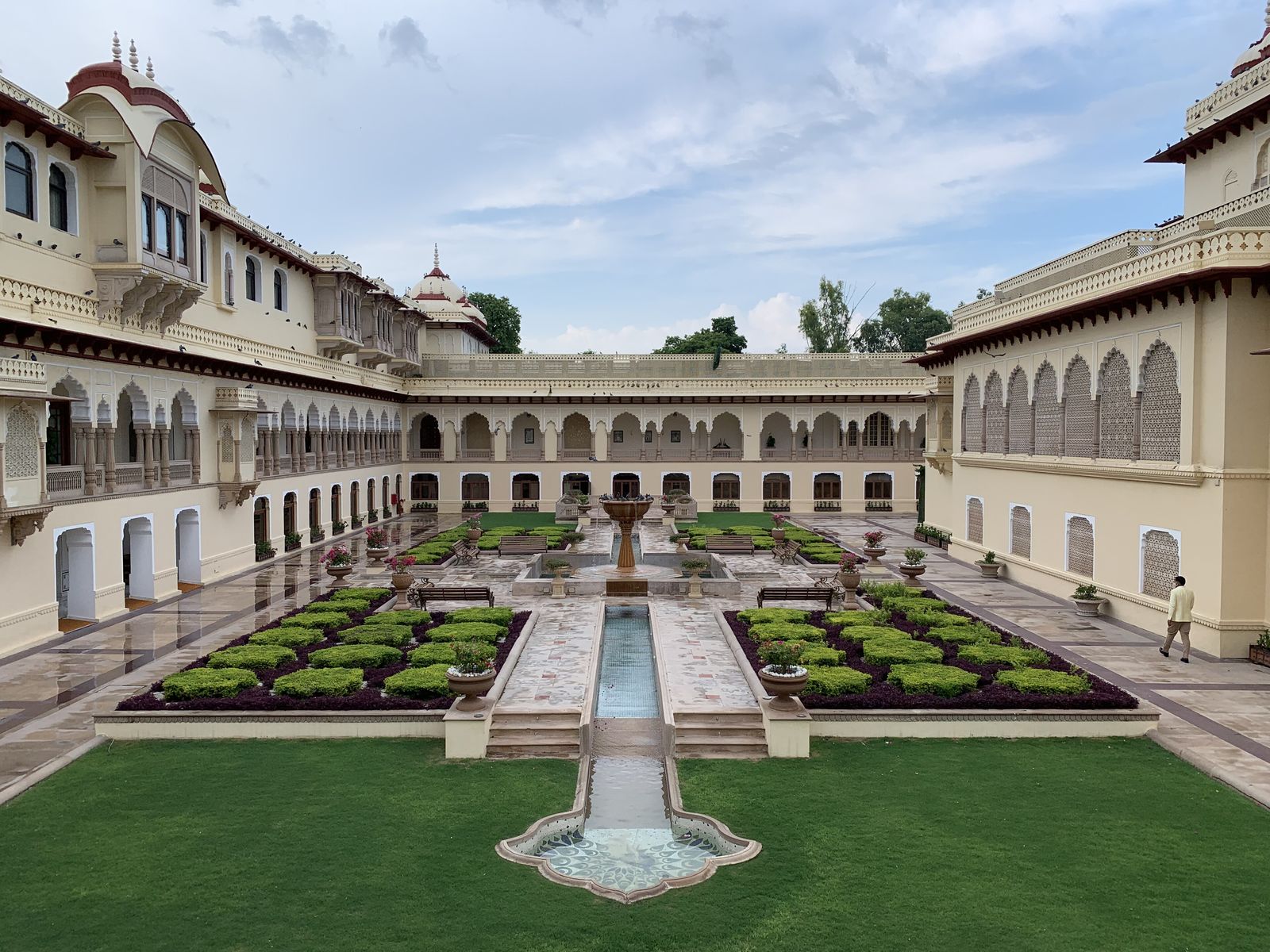
Rajasthan has palace hotels by the dozen, and they aren't all equal. Some suites look over the lake and some over the car park. We have walked the corridors, so you get the room the maharani would have chosen.
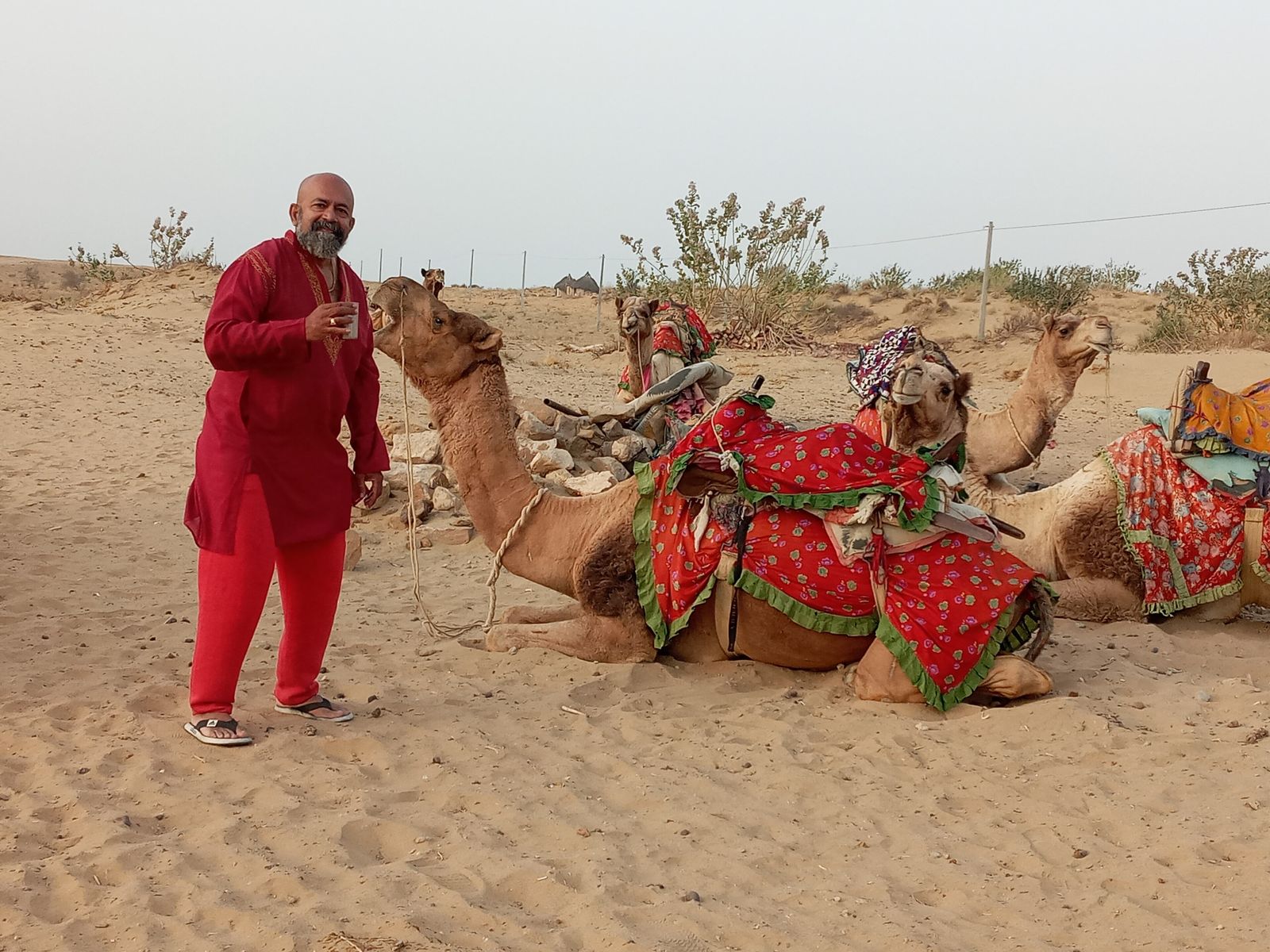
Canvas suites with brass beds and a private deck, on dunes where the only light at night comes from your fire and a sky with more stars than you knew there were.
Sample layout. Replace these with verified guest reviews from Google or Tripadvisor before launch.
★★★★★
They knew which room at the Lake Palace catches the sunrise, and which lane in Jodhpur sells the best mirchi bada. It felt like travelling with cousins.
Guest nameCountry, travelled month year
★★★★★
Our planner replied on WhatsApp at two in the morning when our flight changed. By breakfast everything had been moved and nobody had to think about it.
Guest nameCountry, travelled month year
★★★★★
The leopard in Jawai was extraordinary, but what we talk about is the evening in a Rabari family's courtyard drinking chai with the people who live there.
Guest nameCountry, travelled month year
From the journal
Notes from home on the things we're asked most, and the things we wish we were asked more.
What is the best time for a luxury tour of Rajasthan?
October to March is the main season, with warm days, cool nights and the big festivals. February is our favourite month for weather and light. April to June is hot but quiet, has the best palace rates and is the peak time for tigers in Ranthambore. July to September brings the monsoon, green hills and Teej, which is lovely for Udaipur and Bundi.
How many days do I need to see Rajasthan?
Eight to ten nights covers Jaipur, Jodhpur and Udaipur at a gentle pace. Add three or four nights for Jaisalmer and the desert, and two for Ranthambore. Fifteen nights lets you see the whole state without rushing. We suggest two nights or more in each place, because the drives between cities run four to six hours.
Can I combine Rajasthan with the Taj Mahal and Delhi?
Yes, and most first-time guests do. Agra is about four hours from Jaipur on the expressway, and Delhi has the best international flight connections. A Golden Triangle journey with Udaipur takes nine nights. Remember that the Taj Mahal is closed on Fridays.
Is a private car better than a luxury train like the Palace on Wheels?
Trains such as the Palace on Wheels and the Maharajas' Express are a grand experience on fixed dates and routes. A private car with your own chauffeur lets you choose the hotels, the pace and the detours. Many guests do both, joining a train for a few nights and travelling privately before and after.
Is Rajasthan safe for international travellers?
Rajasthan is one of India's most visited and welcoming states. On a private journey you have a vetted chauffeur and local guides, and your planner is on call around the clock. Dress modestly at temples, use only registered guides and drink bottled or filtered water.
आपकी यात्रा
Tell us how you like to travel, and we'll draw you a Rajasthan
There's no booking engine and no fixed package. A planner from our Jaipur team will reply within a day with ideas, honest advice on timing and a few questions. Nothing is booked until every detail is right.